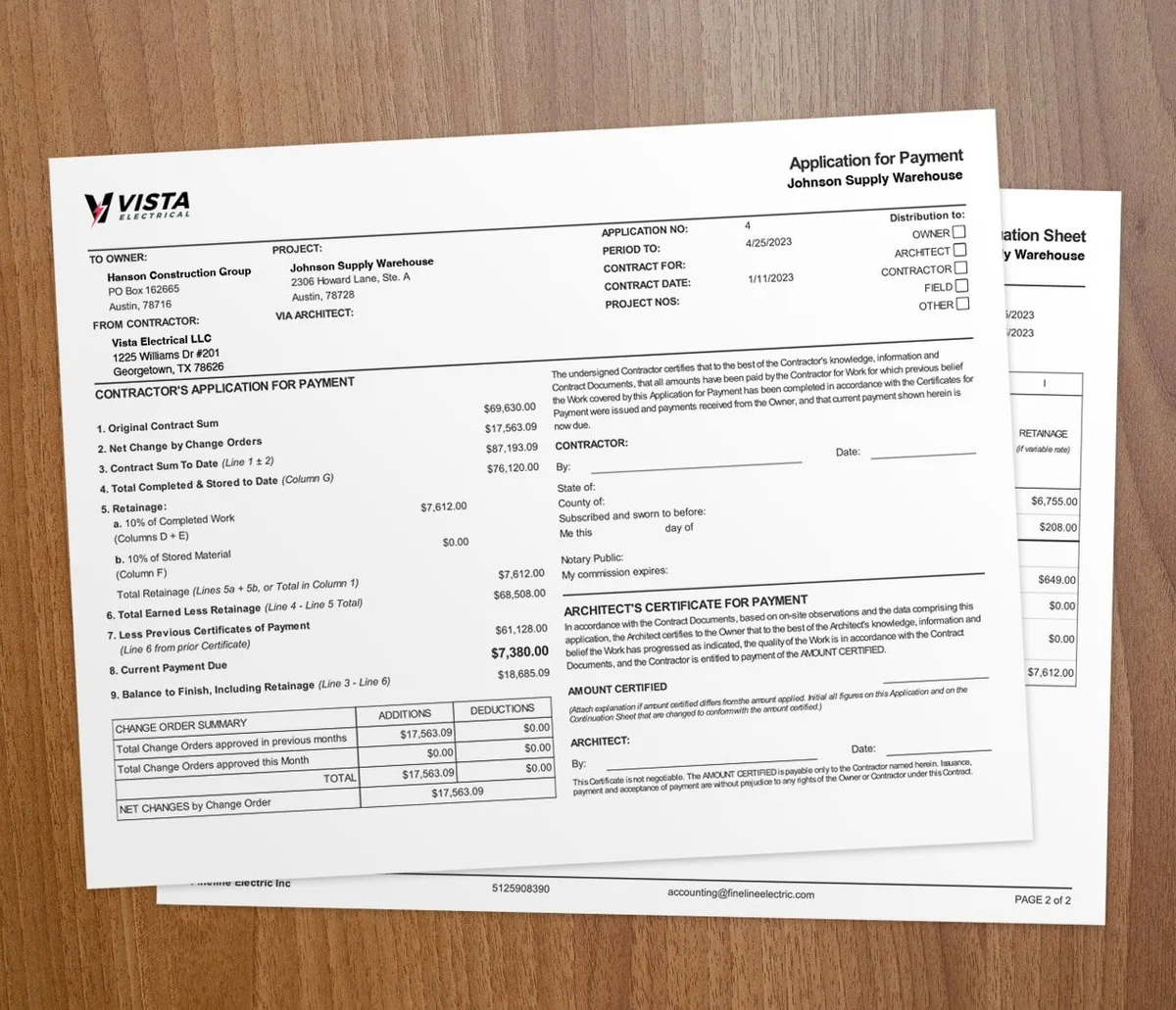

A roofing estimate is your priced plan for a job, built from the roof's size, materials, labor, and your markup. Get it right and you protect profit while staying competitive. Get it wrong and you either lose the bid or lose money.
Roofing margins are tight, so accuracy matters. Overcharge and you lose the job. Undercharge and you eat the loss. This guide walks the full process, step by step.
How do you start a roofing estimate?
Start with a pre-check. A careful roof inspection finds problems early and sets up an accurate price. Skip it and you will miss costs that show up mid-job.
What to check during inspection
- Roof condition: Note wear, damage, and weak spots in the existing roof.
- Roof structure: Record pitch and features like skylights and chimneys.
- Homeowner goals: Ask about material choices, timeline, and budget.
The Werx field app helps here. You can log on-site conditions and photos in real time, so nothing gets lost between the roof and the office.
How do you measure a roof for an estimate?

Accurate measurements are the backbone of the estimate. They stop material waste and surprise costs. There are two main ways to measure.
- On-site measuring: Physically measure length, width, and each pitch with tape and tools.
- Remote tools: Drones or satellite imaging measure from afar. Always cross-check remote numbers with a manual look.
Roof pitch matters a lot. A steeper pitch means more material and tougher labor. With the Werx estimates feature, you can turn those measurements into a priced quote fast.
How do you price materials and labor?
Materials
Material cost starts with accurate square footage. Then add underlayment, flashing, vents, and fasteners. Quality materials cost more up front but cut callbacks later. Our free roofing calculator helps you turn measurements into material quantities.
For jobs billed by actual usage, the time and materials project tools track every part and hour. That keeps your numbers honest.
Labor
Labor cost covers wages, expected hours, and any overtime. Pitch, complexity, and crew speed all change the number. Werx time tracking lets you log crew hours against each job so labor estimates get sharper over time.
Avoid under- or over-bidding
Underbidding eats your margin. Overbidding prices you out. Account for every variable so your number lands in the sweet spot. For the full method, see how to create accurate construction estimates.
How do you add overhead and profit?
Overhead
Overhead is your indirect cost: insurance, utilities, equipment upkeep, and office expenses. Split these into fixed and variable so you can track them. Build a share of overhead into every bid.
Profit margin
Set a profit margin on top of your costs. Roofing margins commonly fall between 10% and 20%, though that shifts with market, reputation, and job complexity. For the difference between adding markup and setting margin, read markup vs margin.
How do you deliver the roofing estimate?
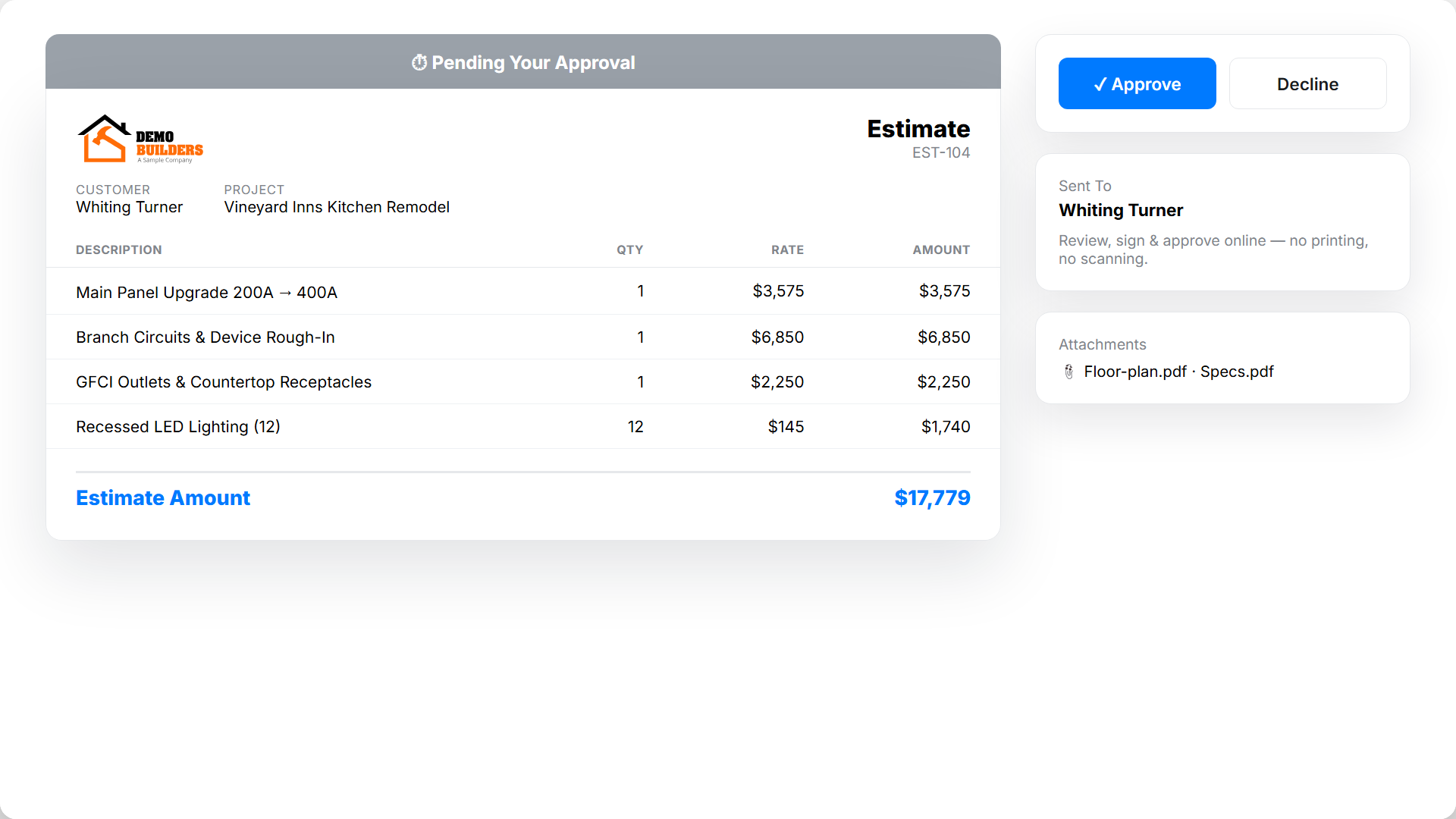
What a professional estimate includes
- Project scope: The full list of tasks, timeline, and special notes.
- Material breakdown: Every material with quality, quantity, and cost.
- Labor costs: Crew allocation, projected hours, and rates.
- Payment terms: Deposit, schedule, and accepted methods. Add payment processing so clients pay online.
Delivery tips
Match the presentation to the client's needs. Sync your numbers with QuickBooks so your estimate and your books stay aligned. For more on polished digital bids, see our tips for digital roofing estimates.
When should you add a contingency?
Add a contingency on any job where the roof's condition is unknown. Hidden rot, bad decking, or code issues can blow a tight bid. A small reserve protects your margin when surprises show up.
For straightforward replacements with a known roof, a smaller buffer is fine. Match the reserve to the risk. For a breakdown of estimate types by job, see our guide to the five construction estimate types.
Key takeaways
- A roofing estimate is built from roof size, materials, labor, overhead, and profit.
- Start with an inspection and accurate measurements, including roof pitch.
- Price every material and labor hour, then add overhead and a profit margin.
- Roofing margins commonly run 10% to 20%, but adjust for risk and market.
- Contractor software like Werx turns measurements into clean, trackable bids.