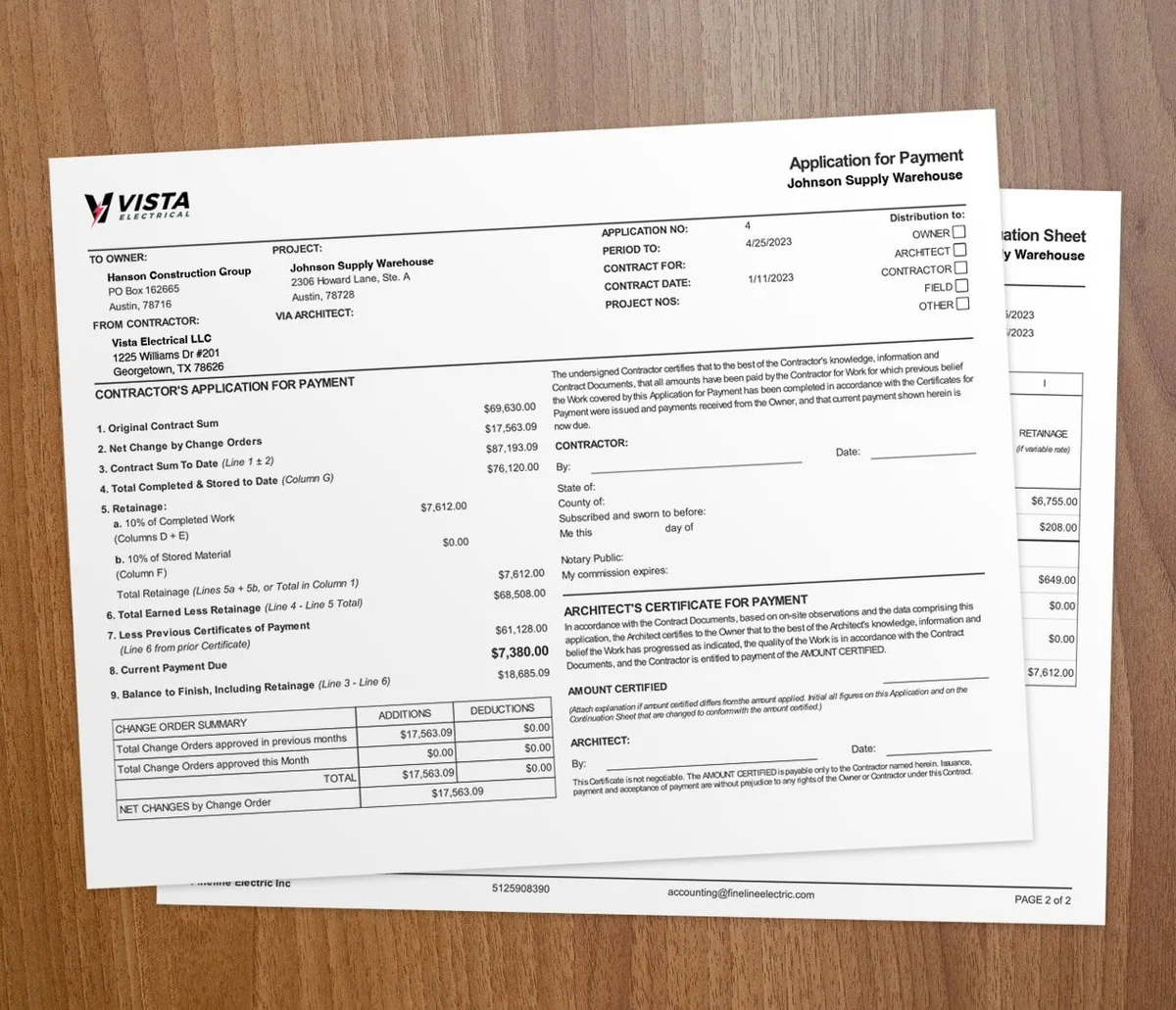

The best way to save money on construction materials is to plan tight, buy smart, and track every dollar. In practice that means five habits: accurate planning, strong supplier deals, less waste, better buy timing, and smart material swaps. Each one protects margin on jobs where material costs can swing fast. Start with planning, because a sloppy estimate costs you before the first delivery.
How does planning cut material costs?

A clear plan shows your full material need before you order. That stops over-buying and last-minute rush orders at full price. Detailed estimates are the base of that plan and your cost control.
Accurate estimates need the right tools. Estimating software helps you build a precise material budget before the job starts. To get started:
- Build a full project outline that lists every material need
- Update your estimate as market prices move
- Use estimating software so nothing gets missed in the budget
How do supplier relationships save money?
Strong supplier ties lead to better pricing and priority service. A vendor who knows you pay on time will fight for your business. Work the relationship, not just the order.
- Buy in bulk. Bulk orders lower the per-unit cost. Keep an inventory view so you can plan future needs.
- Get competing quotes. Always pull quotes from a few suppliers to check the market rate.
- Build partnerships. A standing deal with a supplier can earn better pricing and perks.
A purchase order system keeps these buys under control. See the academy guide on purchase orders to control costs for the workflow.
How do lean practices reduce waste?
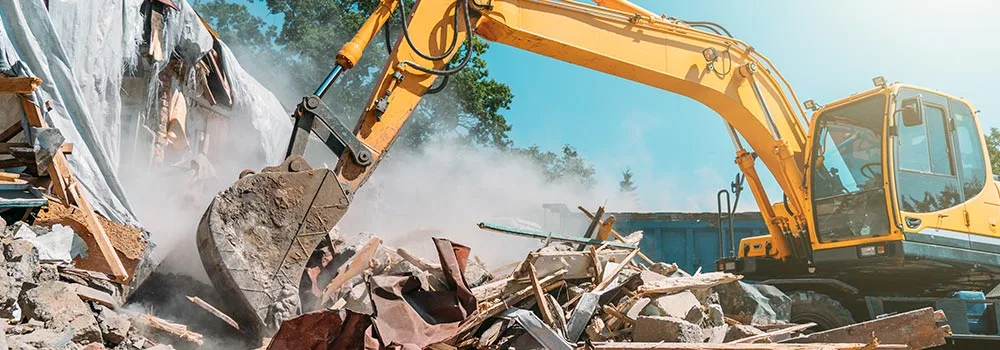
Lean practices cut the waste that quietly eats your material budget. Less scrap and less damage mean more of every dollar goes into the build.
- Plan material use. Use accurate measurements and cutting guides to cut off-cuts and scrap.
- Recycle and reuse. On-site recycling turns leftover material into usable stock.
- Handle materials well. Smart delivery, storage, and on-site moves cut damage and loss.
How does technology lower material costs?
Software gives you a clear, current view of what you buy and use. That helps you spot waste and order smarter.
- Track purchases. Keep records of every material buy to catch errors and tighten ordering.
- Watch usage. Live data on material use flags overuse or waste fast.
- Connect your tools. A QuickBooks integration keeps material costs in sync with your books, and time and materials tracking ties spend to each job.
When should you buy materials?
Timing your buys can swing your cost a lot. The trick is balancing a good price against the cost of storing the stock.
- Buy ahead. Buying before a known price hike locks in the lower rate.
- Catch bulk discounts. When prices are soft, negotiate a bulk deal.
- Mind cash and storage. Weigh the savings against the cost and risk of storing large amounts.
Which alternative materials save money?
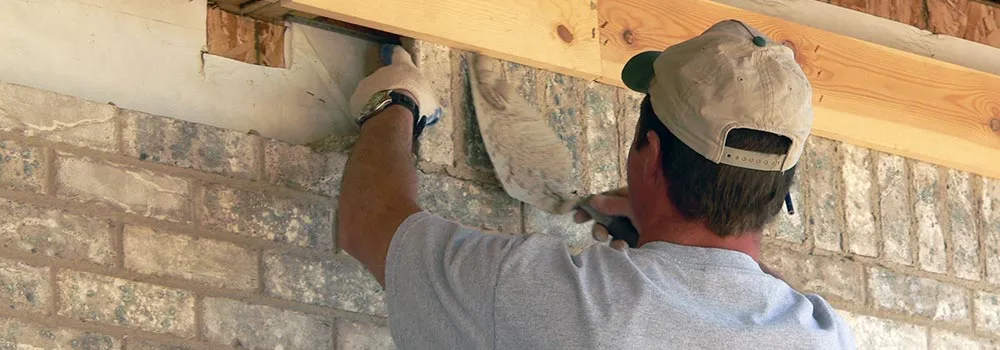
Swapping in alternative materials can cut cost without cutting quality. Match the swap to the job and the construction type. Our guide to the 5 building construction types shows where each material fits.
- Engineered wood. Strong and stable at a lower cost than solid lumber.
- Recycled concrete and aggregates. Reusing concrete waste cuts the need for new raw material.
- Insulated concrete forms. Strong insulation that lowers energy cost over time.
Is chasing material savings worth your time?
It is worth it on material-heavy jobs where a few percent moves real money. Framing, concrete, and large remodels are prime targets. On those, planning and supplier deals pay back fast.
It matters less on small labor-heavy jobs where materials are a thin slice of the bid. There, spend your effort on labor and scheduling instead. Either way, track material cost per job so you know where the savings actually are.
Key takeaways
- Tight planning and accurate estimates are the base of material cost control.
- Strong supplier relationships earn better pricing, priority service, and terms.
- Lean practices cut scrap and damage so more of every dollar goes into the build.
- Software tracks purchases and usage and keeps costs in sync with your books.
- Smart buy timing and alternative materials add more savings on material-heavy jobs.